
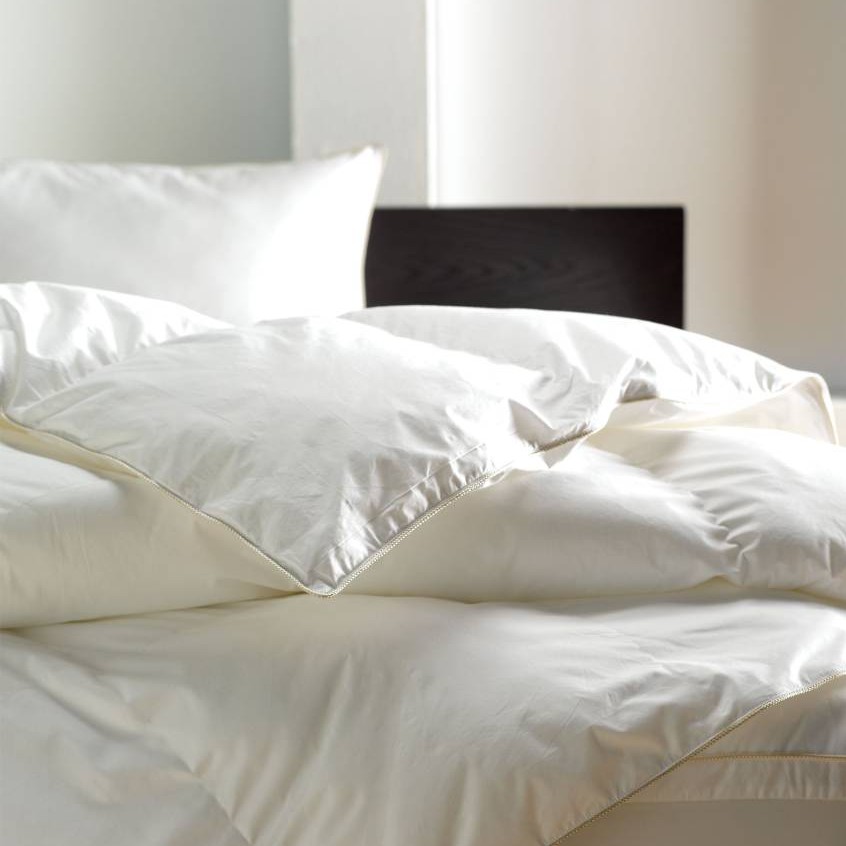
Are you waking up too hot, too cold or simply uncomfortable during the night? Choosing the right duvet inner can make a significant difference to the quality of your sleep. The ideal duvet should provide the right balance of warmth, breathability, softness and comfort for your sleeping preferences and the climate you live in.
With so many different fillings, materials and TOG ratings available, knowing which duvet inner to choose can feel overwhelming. The good news is that once you understand fill type, TOG rating and construction, choosing the right duvet becomes much easier.
At The Bedroom Shop, we have over 25 years of experience in bedding and linen, so we know that choosing the right duvet isn’t simply about selecting the highest TOG rating or the most expensive filling. It’s about asking the right questions: Where do you live? How warm or cold is your bedroom? Do you sleep hot or cold? And how do you want your duvet to feel?
Here are three essential things to consider when choosing the perfect duvet inner for your bedroom:
1. Consider the Fill Material and Fill Power
The filling inside your duvet is one of the biggest factors affecting how warm, lightweight and breathable it feels.
Duvet inners are generally available with natural fillings, such as down and feather, or down-alternative fillings, such as cotton and synthetic fibres.
Down and Feather
Down and feather duvet inners are popular because they offer excellent insulation while remaining relatively lightweight. Down provides loft and warmth, while feather adds structure and weight.
A higher-quality down duvet can provide excellent warmth without feeling excessively heavy, making it a popular choice for colder winter conditions.
When choosing a feather and down duvet, look at the down-to-feather ratio as well as the overall quality of the filling. For example, a 60/40 duvet contains 60% feather and 40% down, while a 90/10 duvet contains 90% down and 10% feather.
Down Alternatives
For those who prefer a non-feather option, down-alternative duvet inners can provide a soft, comfortable and practical alternative.
Cotton and synthetic fillings can be breathable, easy to care for and suitable for everyday use. They are particularly useful for people who prefer a lighter duvet or who don’t want a natural feather and down filling.
What Is Fill Power?
Fill power is primarily used to describe the loft of down filling. It refers to the amount of space a given weight of down occupies.
A higher fill power generally indicates loftier, higher-quality down that can provide excellent insulation without requiring a heavier duvet.
However, fill power and TOG are not the same thing. TOG measures thermal insulation, while fill power describes the loft and quality of down.
For this reason, don’t rely on fill power alone when deciding how warm a duvet will be.

2. Understand TOG Ratings and Temperature Control
TOG stands for Thermal Overall Grade and is a measurement of thermal resistance. In simple terms, it indicates how effectively a duvet helps retain warmth.
The higher the TOG rating, the warmer the duvet is generally designed to be.
But this is where choosing a duvet can become confusing: the “right” TOG depends on your climate, bedroom temperature, bedding layers and personal sleeping preference.
There isn’t one perfect TOG rating for everyone.
Duvet TOG Ratings by Season
As a general guide for South African conditions, you can use the following seasonal ranges:
| Season | Recommended TOG | Best suited to |
|---|---|---|
| Summer | 2.5–4.5 TOG | Hot sleepers, warm bedrooms and warmer climates |
| Spring | 4.5–7 TOG | Mild temperatures and transitional weather |
| Autumn | 7–9 TOG | Cooler nights and changing temperatures |
| Winter | 9–13.5 TOG | Cold bedrooms and colder inland climates |
These are guidelines rather than strict rules. Your ideal TOG will depend on your local climate and how warm you naturally sleep.
Summer: 2.5–4.5 TOG
During hot summer weather, a heavy duvet can leave you feeling overheated and uncomfortable. For warmer nights, consider a 2.5 to 4.5 TOG duvet inner. These lighter options provide a comfortable layer without excessive insulation.
A lightweight cotton duvet inner can be particularly appealing during summer because cotton is breathable and comfortable against the skin. In very warm or humid coastal areas, you may prefer the lower end of this range.
Spring: 4.5–7 TOG
Spring temperatures can fluctuate considerably, particularly in South Africa. Warm days can be followed by surprisingly cool evenings. A 4.5 to 7 TOG duvet inner can provide a versatile middle ground for spring.
If your bedroom remains relatively warm, choose something closer to 4.5 TOG. If you live in a cooler area or tend to feel cold at night, moving closer to 7 TOG may be more comfortable.
Autumn: 7–9 TOG
As temperatures begin to fall, a 7 to 9 TOG duvet inner can provide additional insulation without the weight of a very warm winter duvet. This is an excellent transitional range for bedrooms that become noticeably cooler at night.
Autumn is also a good time to start layering. A medium-weight duvet can be paired with a lightweight throw or blanket, allowing you to add or remove warmth as temperatures change.
Winter: 9–13.5 TOG
For cold winter nights, a 9 to 13.5 TOG duvet inner can provide substantially more insulation.
A 9 TOG duvet can work well for moderate winter conditions or sleepers who prefer a lighter duvet, while a 10.5 to 13.5 TOG duvet may be more suitable for colder bedrooms and people who feel the cold.
This is particularly relevant in colder inland areas and the Highveld, where winter nights can become very cold. For example, our 9 TOG Hungarian Goose Feather & Down duvet inners offer a warmer winter option without necessarily feeling as heavy as a very high-TOG synthetic duvet.

TOG Ratings for Different South African Climates
South Africa has a remarkably varied climate, so your location can be just as important as the season when choosing your duvet.
Highveld Winters
Highveld winters can bring very cold, dry nights and significant temperature drops after sunset.
If your bedroom becomes particularly cold, a 9–13.5 TOG duvet inner may be appropriate during winter. Sleepers who feel the cold may prefer the higher end of this range, while those who sleep warmer may be comfortable around 9 TOG.
Coastal Climates
Coastal areas can have milder winters, although humidity and changing temperatures can influence how comfortable your bedding feels.
In areas such as the Garden Route, a 7–9 TOG duvet may be sufficient for many winter sleepers, with a lighter 4.5–7 TOG option useful during spring and autumn.
For summer, a 2.5–4.5 TOG duvet can provide a lighter, more breathable layer.
Remember: Your Bedroom Matters Too
Two people living in the same city may need completely different duvet weights. If your bedroom is well insulated and stays warm overnight, you may need a lower TOG. If your bedroom is cold and draughty, you may need a higher TOG. Your own sleeping temperature matters too.
If you regularly wake up hot or sweaty, consider a lighter duvet. If you find yourself reaching for an extra blanket during the night, you may need a warmer duvet.
3. Consider Construction, Quality and Durability
The filling isn’t the only thing that matters. The construction of the duvet inner can have a significant impact on its performance and longevity.
Look for quality stitching and construction that helps keep the filling evenly distributed throughout the duvet.
A well-constructed duvet should prevent the filling from shifting excessively and creating cold spots.
The outer fabric is also important. Natural cotton covers are popular because they are soft, breathable and comfortable against the skin.
Quality construction can help your duvet retain its shape and performance over time, particularly when it is properly cared for.
How Should You Care for Your Duvet Inner?
Always follow the manufacturer’s specific care instructions.
Some duvet inners can be machine washed, but they require a large-capacity washing machine to ensure that the duvet has enough room to move freely during washing.
A duvet must also be dried thoroughly. Any remaining moisture can affect the filling and may result in unpleasant odours.
For feather and down duvet inners in particular, professional laundering is often recommended to protect the filling and maintain the duvet’s loft and performance.
Never store a duvet while it is damp. Make sure it is completely dry before folding and storing it in a breathable storage bag.
Should You Choose One Duvet or Layer Your Bedding?
You don’t necessarily need one duvet to work throughout the entire year. For South African homes, having different duvet weights for different seasons can be a practical approach.
For example:
Summer: 2.5–4.5 TOG
Spring/Autumn: 4.5–9 TOG
Winter: 9–13.5 TOG
Another option is to use a lighter duvet throughout much of the year and add blankets and throws when temperatures drop.
Layering gives you greater flexibility because you can easily add or remove warmth as the temperature changes.
Don’t Choose a Duvet Based on TOG Alone
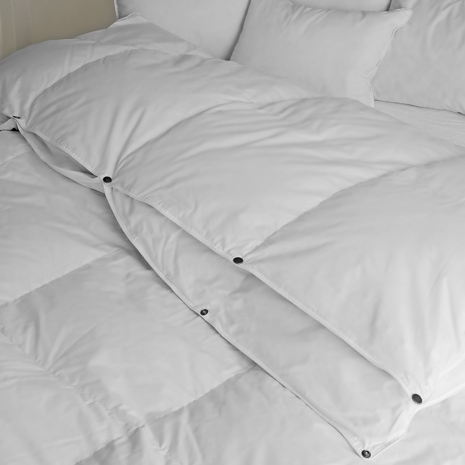
TOG is an important guide, but it isn’t the only factor to consider.
The filling, fabric, construction, bedroom temperature and your personal sleeping preferences all contribute to how warm a duvet feels.
A high-quality natural filling may provide excellent insulation while remaining lightweight, whereas a synthetic duvet with the same TOG rating may feel quite different.
This is why two duvets with similar TOG ratings can still feel different when you sleep under them.
At The Bedroom Shop, we believe that choosing bedding should be about understanding the complete product rather than simply looking at one number on the label.
Find the Right Duvet Inner at The Bedroom Shop
With more than 25 years of experience in the bedding industry, we know the right questions to ask — and, more importantly, we know the answers.
From 200 thread count cotton duvet inners and lightweight summer options to warmer 9 TOG and higher winter duvet inners, we can help you find bedding suited to your climate, comfort preferences and sleeping needs.
Our collection includes both natural and down-alternative options, giving you the flexibility to choose the filling and warmth that works best for you.
Whether you’re preparing for a cold Highveld winter, a mild Garden Route winter or a warm coastal summer, choosing the right TOG can make your bedroom more comfortable throughout the year.
Shop duvet inners online at The Bedroom Shop or visit us in Knysna and Plettenberg Bay for expert advice on choosing the right bedding for your bedroom.